

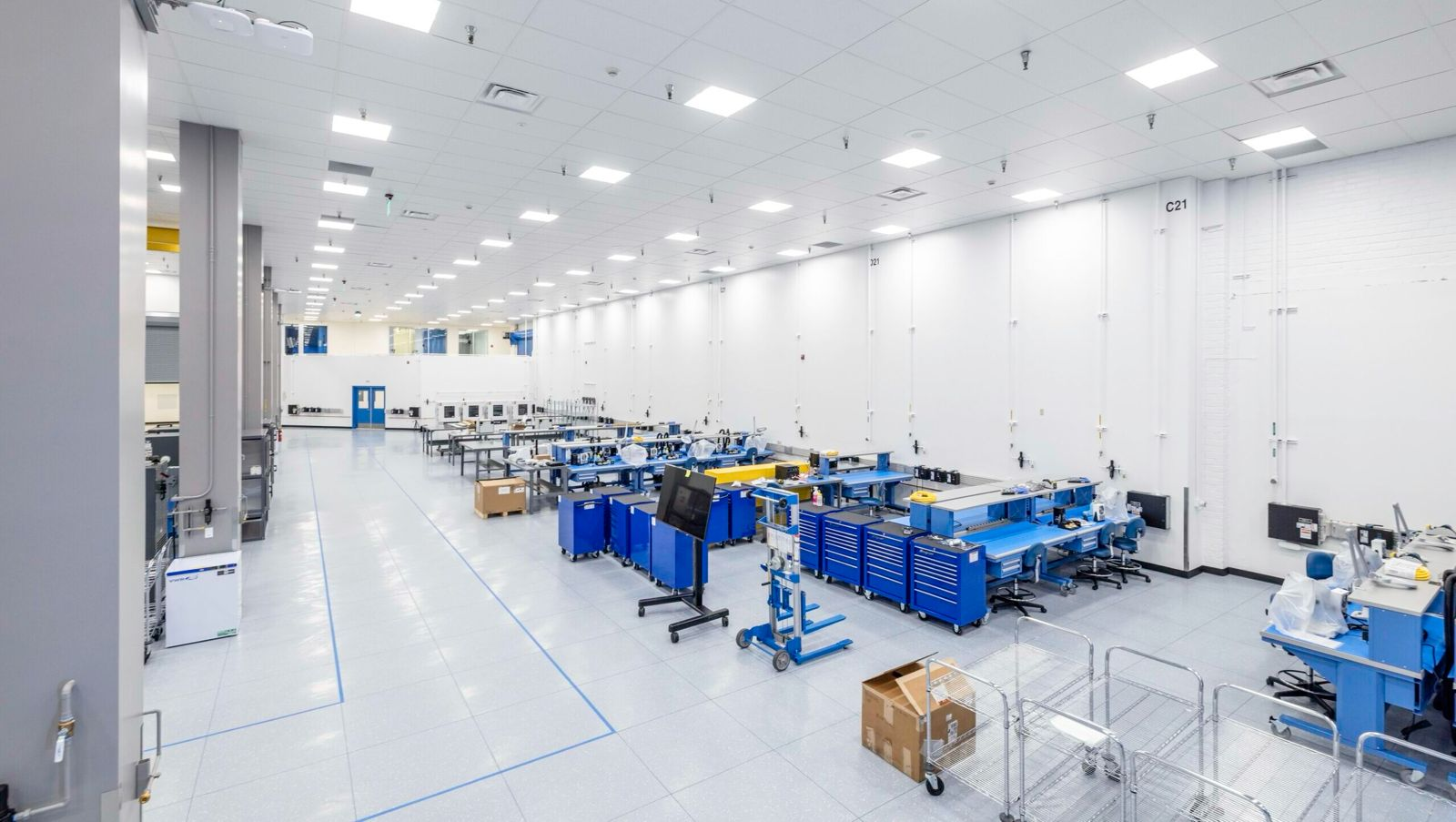
Marlan Space, an Abu Dhabi-based satellite operator, and the American company Loft Orbital have unveiled a 1 billion dollar plan to expand their joint Earth observation constellation, named Altair, from an initial 10 satellites to 50, bringing in the French artificial intelligence company Mistral AI and the American imagery provider BlackSky as partners. The expansion was announced on 9 September 2026 at the International Space Summit in Paris, a day after the Emirati conglomerate International Holding Company completed an acquisition of an 80 percent stake in Marlan Space. Loft Orbital’s chief executive, Pierre Damien Vaujour, said the partners are giving customers building agentic AI workflows in space a true working system rather than a concept, framing the constellation as infrastructure for satellites that can interpret what they observe rather than simply relay raw imagery to the ground.
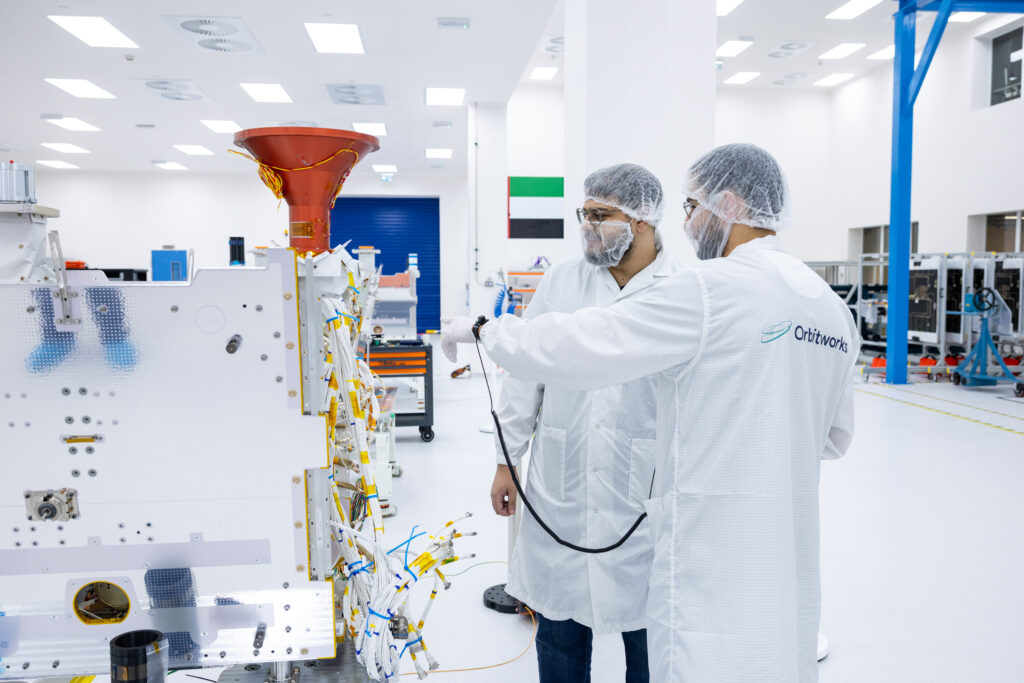
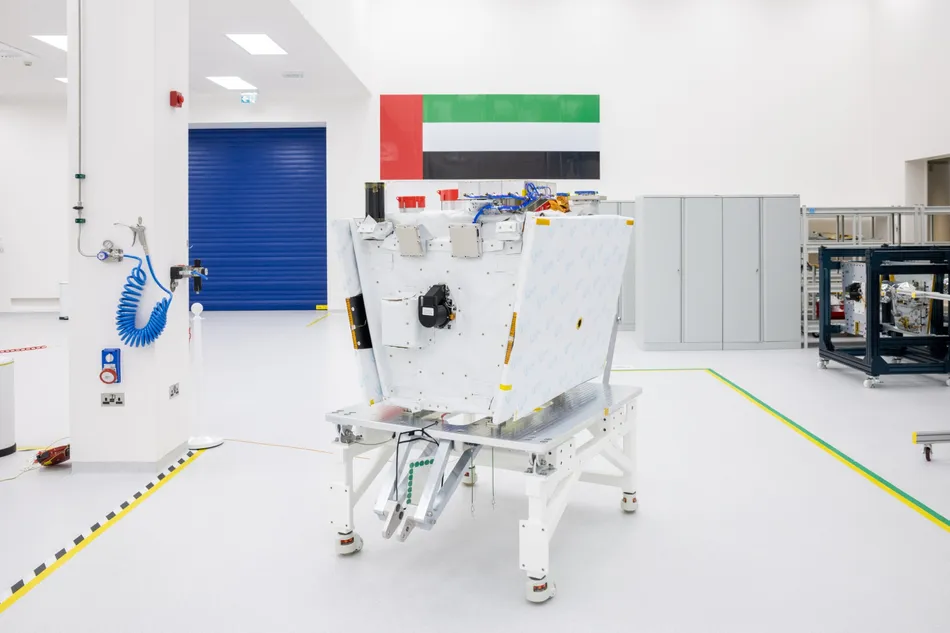
The satellites are being built in Abu Dhabi by Orbitworks, a joint venture Marlan Space and Loft Orbital formed for the project, using a platform called Longbow that Loft Orbital adapted from Airbus’s Arrow satellite bus. Each spacecraft is designed to combine optical, radar and other sensors with onboard computing power, so that it can analyze what it observes in orbit and relay alerts within seconds instead of the hours a ground based processing pipeline typically requires. The first 10 satellites are already in production, with launches planned to begin in October 2026 on vehicles supplied by the French launch company MaiaSpace, a subsidiary of ArianeGroup. BlackSky will contribute imagery from its Gen 3 optical satellites to complement Altair’s radar and infrared coverage, though the companies have not specified how many Gen 3 spacecraft will be dedicated to the partnership.
The companies describe the constellation’s intended uses as maritime domain awareness, wildfire detection, disaster response, port security and monitoring of critical infrastructure, applications that span both civilian emergency response and government security customers. One statement describing the venture said it pairs Emirati ambition, capital and manufacturing strength with European supply chain expertise and space heritage, language that reflects a broader pattern of Gulf states investing directly in European and American space companies rather than only buying finished satellite services. Marlan Space’s parent, International Holding Company, is one of the largest listed companies in the United Arab Emirates and has been expanding aggressively into technology and space ventures over the past two years.
The deal is significant less for its price tag than for what it signals about where satellite Earth observation is heading. Established operators such as Planet Labs, Maxar and ICEYE have built businesses on delivering processed imagery to analysts, but Altair’s backers are betting that onboard artificial intelligence, paired with a French model developer in Mistral AI, will let customers query satellites directly for interpreted results, shortening the path from observation to decision for uses like tracking illegal fishing or spotting wildfires before they spread. The involvement of BlackSky, a company with an established relationship supplying imagery to United States government customers, alongside a UAE backed venture with a French AI partner, also illustrates how satellite Earth observation is becoming an arena for cross border industrial partnerships that blend commercial, scientific and security interests in ways that are increasingly difficult to separate.
Several important details have not been made public. The companies have not broken down how the 1 billion dollar figure is split between equity investment, satellite manufacturing costs and launch contracts, nor have they said whether BlackSky’s contribution to the constellation is exclusive, as some regional outlets have reported, or one of several imagery sources Altair will draw on. Orbitworks has not disclosed its planned production rate for satellites beyond the first batch of 10, and no party has detailed what safeguards, if any, will govern how Mistral AI’s models are trained on or granted access to the imagery the constellation collects. The timeline for expanding from 10 to 50 satellites, beyond the October 2026 start of launches, has also not been specified.