

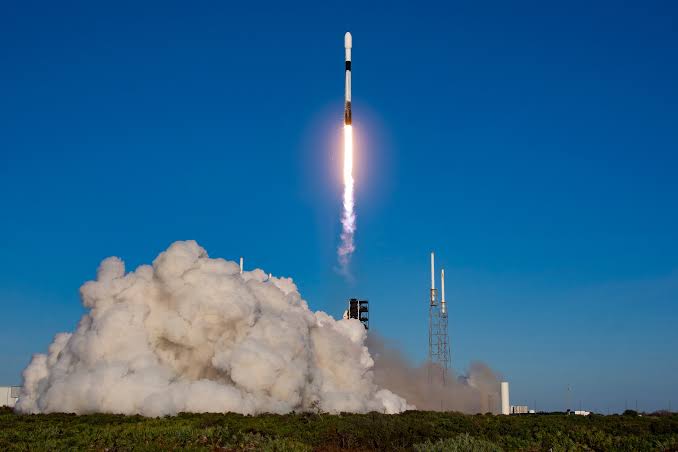
NASA announced on 18 September 2026 that it has awarded SpaceX a 946 million dollar modification to its existing crew transportation contract, covering three additional flights to the International Space Station identified as Crew 15, Crew 16, and Crew 17. The award is a firm fixed price change to the Commercial Crew Transportation Capability contract, known as CCtCap, which NASA first signed with SpaceX and Boeing in 2014 to develop competing vehicles for carrying astronauts to the station. With this modification, SpaceX’s total number of missions under the contract rises to 17, up from 14, and the cumulative value of NASA’s CCtCap agreement with the company reaches 5.92 billion dollars.
According to NASA, the new missions are targeted for readiness in 2027 and 2028, with the overall performance period for the contract modification extending through 2030.
Each flight can carry up to four astronauts along with what NASA describes as critical cargo, and the 946 million dollar figure covers the full scope of ground operations, launch, activities while in orbit, return and recovery of the crew, transportation of cargo, and the requirement that a docked Crew Dragon capsule serve as a lifeboat for the station’s crew in the event of an emergency. NASA had issued a notice of intent to proceed with the modification back in May 2026, meaning the formal award finalized a plan that had already been signaled months earlier. In its announcement, NASA said the change “brings the total missions for SpaceX to 17 and helps NASA to maintain access to the space station with two unique commercial crew industry partners,” a reference to the fact that Boeing remains under contract as NASA’s second Commercial Crew provider even though its Starliner spacecraft has flown far less frequently than SpaceX’s Crew Dragon since both companies were selected in 2014.
SpaceX has flown 11 operational crewed missions to the station since NASA certified the Crew Dragon system for regular flights in November 2020, a cadence that has made it the backbone of American crew access to orbit for most of the past six years. As of the announcement, Crew 12 was in orbit and docked at the station, with Crew 13 scheduled to launch in early October 2026 aboard a Falcon 9 rocket. The steady drumbeat of missions has allowed NASA to keep a near continuous American crew presence aboard the station alongside Russian cosmonauts who fly separately on Soyuz vehicles, and it has given SpaceX a reliable, if largely singular, revenue stream from crewed government spaceflight even as the company’s commercial and Starship programs draw much of the public attention.
The timing of the award places it against the backdrop of uncertainty over how much longer the International Space Station itself will operate. NASA and its partners currently plan to retire the station in late 2030 or early 2031, deorbiting it in a controlled reentry, though members of the United States Congress have pushed for an extension of station operations through 2032 to preserve continuity in low Earth orbit research while NASA works with commercial companies developing successor stations. The new contract’s performance period, running through 2030, sits right at the edge of that retirement window, meaning the exact number of crewed flights actually needed under the full 17 mission contract could shift depending on how the retirement debate in Washington is ultimately resolved.
Several details remain unclear. NASA’s announcement does not break out how the 946 million dollar figure is divided among launch, in orbit operations, cargo transport, and recovery costs, nor has the agency said whether Boeing will receive a comparable contract modification of its own or how many further Starliner flights are currently planned. It is also not yet settled whether the station’s life will in fact be extended past the current retirement target, a decision that would directly affect whether all three of the newly ordered missions, or additional ones beyond them, end up being required before the station is decommissioned.