

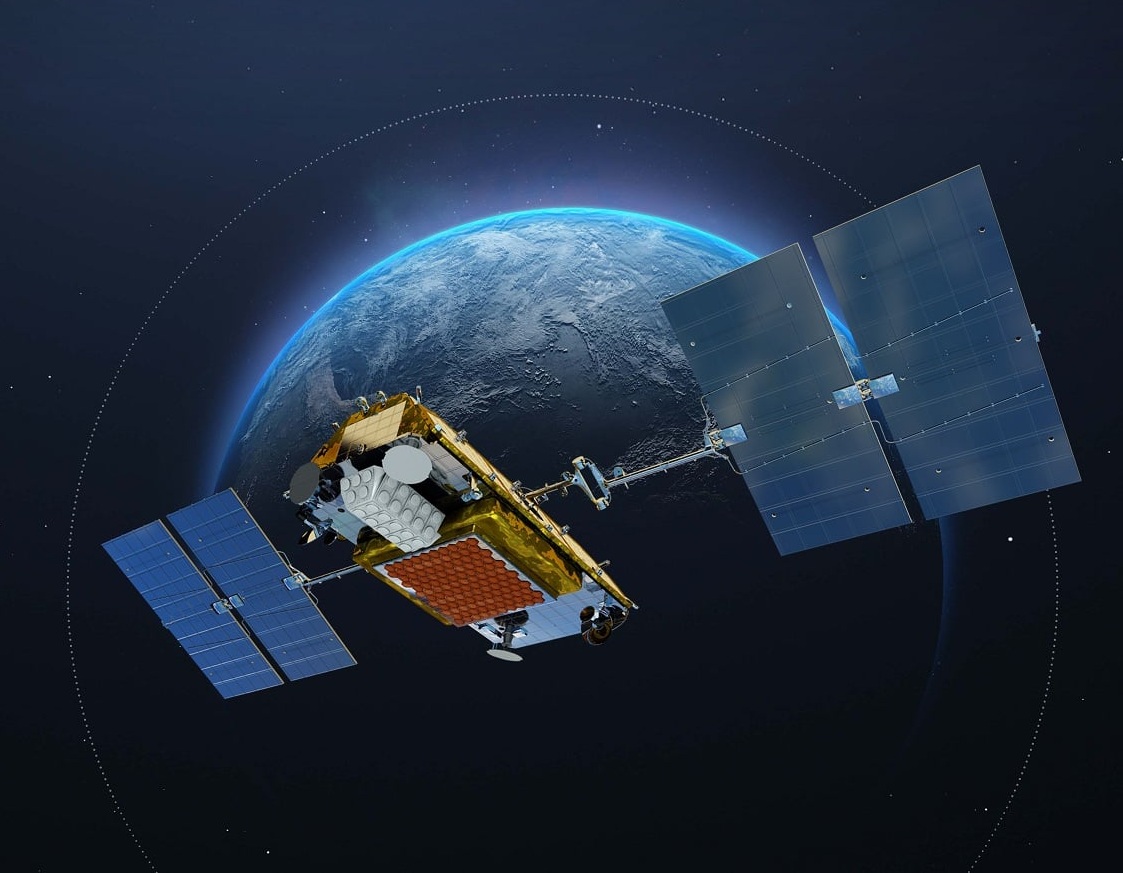
Shareholders of Iridium Communications voted on 24 September 2026 to approve Rocket Lab’s proposed acquisition of the satellite operator, clearing a major hurdle in a deal that would combine a rocket builder with an established global communications network. Iridium said 99.6 percent of the votes cast favored the merger, representing 81.0 percent of the company’s outstanding shares entitled to vote, according to a joint statement from the two companies.
The acquisition, first announced on 29 June 2026, values Iridium at an enterprise value of 8.0 billion dollars. Under the terms, Iridium shareholders will receive 27.00 dollars in cash plus Rocket Lab stock for each share, calculated through an exchange ratio with a collar set between 67.50 and 112.50 dollars, for a notional total of 54.00 dollars per share. Rocket Lab and Iridium said the transaction is expected to close in mid 2027, pending remaining regulatory approvals and other customary closing conditions.
Iridium operates a constellation of 80 satellites in low Earth orbit, of which 66 are active and 14 serve as in orbit spares, arranged in six nearly polar orbital planes at an altitude of about 780 kilometers (485 miles). The network provides voice and data connectivity for satellite phones, tracking devices and direct to device services, along with aviation data links, maritime distress communications, and government and defense connectivity through dedicated ground gateways. The company reported 871.7 million dollars in revenue for 2025, with 236.0 million dollars in operating income.
Rocket Lab, based in Long Beach, California, builds the Electron small satellite launcher and is developing Neutron, a larger reusable rocket intended to carry Rocket Lab’s own satellite hardware as well as national security and commercial payloads. Sir Peter Beck, Rocket Lab’s founder and chief executive, called the stockholder vote an important milestone in bringing together Rocket Lab and Iridium to create what he described as a next generation space powerhouse. Iridium chief executive Matt Desch said the vote was “an important milestone toward bringing together two companies with complementary capabilities, a shared commitment to innovation, and deep experience supporting some of the world’s most critical missions.”
The deal would give Rocket Lab a rare combination in the space industry: control of both a launch vehicle and an operating satellite constellation with an established customer base spanning government, maritime, aviation and internet of things markets, plus Aireon, the air traffic surveillance subsidiary Iridium fully acquired for 366.7 million dollars in July 2026. Analysts have described the structure as an attempt to build a vertically integrated space company that captures revenue across manufacturing, launch and satellite services rather than launch fees alone, a model more commonly associated with SpaceX’s Starlink business, though built here through acquisition of an established operator rather than a constellation built from scratch.
Much of that strategy depends on Neutron actually reaching orbit. The 43 meter rocket, fueled by liquid methane, remains in qualification testing, and Rocket Lab has said the window for a debut launch by the end of 2026 is narrowing after a first stage fuel tank ruptured during pressure testing in January 2026. Beck has said the company’s priority extends beyond a single successful flight to reaching ten flights as quickly as possible, with reusability of the booster as the critical measure of success, and has identified an integrated static fire test at the launch pad as the highest risk milestone still ahead. Rocket Lab has already secured a 397 million dollar United States Space Force contract tied to Neutron, along with more than half a dozen commercial launch customers.
What remains unconfirmed is exactly how Rocket Lab intends to integrate Iridium’s satellite manufacturing and network operations once the deal closes, and whether antitrust or national security reviews in the United States could alter the terms or timeline. Rocket Lab has not published a detailed integration plan, and neither company has said whether Iridium will continue operating under its own brand after the transaction closes.